






























The global beauty industry is rapidly evolving, with consumers increasingly shifting toward healthier and more sustainable alternatives. One of the fastest-growing segments is the natural and organic cosmetics market, driven by rising awareness of clean ingredients, environmental concerns, and holistic wellness. As we move into the forecast period of 2025–2032, this market is expected to witness significant expansion, creating new opportunities for brands and consumers alike.
Introduction to Natural and Organic Cosmetics
Natural and organic cosmetics are products made from plant-based ingredients, minerals, and naturally derived substances without harmful chemicals such as parabens, sulfates, and synthetic fragrances. These products focus on promoting skin health while minimizing environmental impact.
Consumers today are more informed than ever. They carefully read labels, research ingredients, and prefer products that align with their values of sustainability and safety. This shift in mindset is a key factor fueling the growth of the organic cosmetics market.
Market Size and Growth Forecast (2025–2032)
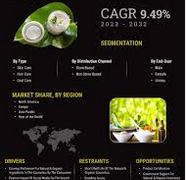
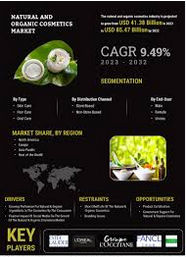
The natural and organic cosmetics market is projected to grow at an impressive pace over the coming years. Industry estimates suggest that the market could surpass USD 140 billion by 2032, expanding at a compound annual growth rate (CAGR) of over 17% during the forecast period.
This growth is largely driven by increasing demand for chemical-free products, expanding middle-class populations, and rising disposable incomes. Additionally, the influence of social media and beauty influencers has accelerated consumer awareness and product adoption worldwide.
Key Growth Drivers
1. Rising Awareness of Harmful Chemicals
Consumers are becoming increasingly aware of the potential risks associated with synthetic ingredients in traditional cosmetics. Chemicals like parabens and phthalates have raised concerns, prompting a shift toward safer, natural alternatives.
2. Demand for Sustainable and Eco-Friendly Products
Sustainability has become a major purchasing factor. Consumers are choosing brands that prioritize eco-friendly packaging, ethical sourcing, and cruelty-free practices. This trend is particularly strong among younger generations such as Millennials and Gen Z.
3. Growth of E-commerce Platforms
The rise of online shopping has made natural and organic cosmetics more accessible. E-commerce platforms allow consumers to explore a wide range of products, read reviews, and compare ingredients before making a purchase.
4. Influence of Social Media and Influencers
Beauty influencers and wellness bloggers play a significant role in promoting clean beauty products. Their recommendations help build trust and drive consumer interest in organic brands.
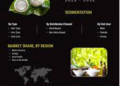
Market Segmentation
The natural and organic cosmetics market can be segmented into several categories:
By Product Type
- Skincare: The largest segment due to growing focus on skin health
- Haircare: Includes shampoos, conditioners, and oils
- Makeup: Organic foundations, lipsticks, and mascaras
- Fragrances: Natural perfumes made from essential oils
By Distribution Channel
- Online retail (fastest-growing segment)
- Supermarkets and hypermarkets
- Specialty stores
- Pharmacies
By End-User
- Women
- Men
- Unisex
The male grooming segment is gaining traction, contributing to overall market growth.
Emerging Trends in the Market
Clean Beauty Movement
Transparency is becoming essential in the beauty industry. Consumers demand clear labeling and want to know exactly what goes into their products.
Vegan and Cruelty-Free Products
Vegan cosmetics, which exclude animal-derived ingredients, are becoming increasingly popular. Brands that adopt cruelty-free practices are gaining a competitive edge.
Ayurvedic and Herbal Beauty
Traditional systems like Ayurveda are gaining global recognition. Herbal and plant-based formulations are being integrated into modern cosmetics, especially in countries like India.
Sustainable Packaging Innovations
Brands are adopting recyclable, biodegradable, and refillable packaging solutions to reduce environmental impact.
Personalized Beauty Solutions
Technology-driven personalization allows brands to offer products tailored to individual skin types and preferences, enhancing customer satisfaction.
Regional Insights
North America
North America holds a significant share of the market due to high consumer awareness and demand for premium organic products.
Europe
Europe is a mature market with strict regulations supporting organic and sustainable cosmetics.
Asia-Pacific
The Asia-Pacific region is expected to witness the fastest growth. Rising incomes, urbanization, and increasing awareness of natural products are driving demand in countries like India and China.
Middle East and Latin America
These regions are also experiencing steady growth due to changing lifestyles and increasing interest in wellness products.
Competitive Landscape
The natural and organic cosmetics market is highly competitive, with both global giants and emerging brands competing for market share. Companies are focusing on innovation, sustainability, and brand transparency to attract consumers.
Key strategies include:
- Launching new product lines
- Investing in research and development
- Expanding online presence
- Forming strategic partnerships
Challenges in the Market
Despite strong growth, the market faces several challenges:
High Costs
Organic ingredients and sustainable packaging increase production costs, making products more expensive for consumers.
Lack of Standardization
Different certification standards can create confusion among consumers regarding what qualifies as “organic.”
Limited Shelf Life
Natural products often have shorter shelf lives compared to synthetic alternatives, posing logistical challenges.
Future Outlook
The future of the natural and organic cosmetics market looks highly promising. As consumers continue to prioritize health, wellness, and sustainability, the demand for clean beauty products will keep rising.
Technological advancements, combined with supportive government regulations, will further accelerate market growth. By 2032, natural and organic cosmetics are expected to become a mainstream choice rather than a niche segment.
Conclusion
The natural and organic cosmetics market is undergoing a major transformation, driven by evolving consumer preferences and a global shift toward sustainability. With strong growth projections and increasing demand for clean, eco-friendly products, the industry offers immense opportunities for innovation and expansion.
Brands that focus on transparency, quality, and sustainability will be well-positioned to succeed in this dynamic market. As the world embraces a healthier lifestyle, natural and organic cosmetics will play a crucial role in shaping the future of beauty.






Discussion about this post