






























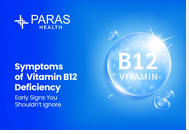
Vitamin B12 is one of the most important nutrients your body needs to stay healthy and active. It plays a major role in keeping your nerves healthy, producing red blood cells, supporting brain function, and helping your body make DNA. Despite its importance, many people do not realize they are suffering from vitamin B12 deficiency until serious symptoms begin to appear.
Since vitamin B12 deficiency can lead to long-term health problems, identifying the warning signs early is extremely important. Many symptoms start slowly and are often ignored or mistaken for stress, tiredness, or aging. However, untreated deficiency can affect both physical and mental health.
According to health experts at National Institutes of Health, vitamin B12 is essential for neurological function and red blood cell formation, and low levels may result in fatigue, weakness, nerve problems, and anemia.
What Causes Vitamin B12 Deficiency?
Vitamin B12 is mainly found in animal-based foods such as meat, fish, eggs, and dairy products. People who follow strict vegetarian or vegan diets may have a higher risk of deficiency if they do not take supplements or fortified foods.
Other common causes include:
- Poor absorption in the stomach
- Digestive disorders like Crohn’s disease
- Pernicious anemia
- Long-term use of acid-reducing medicines
- Certain diabetes medications like metformin
- Aging, which reduces B12 absorption naturally
Even people who eat healthy meals may still develop deficiency if their body cannot absorb vitamin B12 properly.
Constant Fatigue and Weakness
One of the earliest and most common symptoms of vitamin B12 deficiency is constant tiredness.
When your body lacks enough B12, it cannot produce healthy red blood cells properly. This reduces oxygen supply throughout the body, making you feel weak, exhausted, and low on energy even after getting enough sleep.
Many people ignore this sign because fatigue is common in modern life, but if tiredness continues for weeks without improvement, it may be worth checking your vitamin levels.
Pale or Yellowish Skin
Vitamin B12 deficiency can affect the production of red blood cells, leading to anemia. This may cause your skin to look pale or slightly yellow.
Some people notice that their face loses its natural glow and looks dull or unhealthy. This happens because damaged red blood cells break down faster, increasing bilirubin levels and giving the skin a yellowish tone.
This symptom is often mistaken for poor sleep or stress, but it can be an important warning sign.
Tingling in Hands and Feet
A serious symptom of vitamin B12 deficiency is a tingling or “pins and needles” sensation in the hands, legs, or feet.
Vitamin B12 helps protect nerves. Without enough of it, nerve damage can begin slowly. People may feel numbness, burning, weakness, or unusual sensations in different parts of the body.
Ignoring this symptom for too long can lead to permanent nerve problems, which makes early diagnosis very important.
Difficulty Walking or Balance Problems
As nerve damage progresses, some people may experience balance issues or difficulty walking normally.
They may feel unsteady, dizzy, or less coordinated than usual. This is more common in older adults, but younger people can also experience it if the deficiency becomes severe.
If simple walking starts to feel difficult without another clear reason, vitamin B12 deficiency should be considered.
Memory Problems and Brain Fog
Low vitamin B12 can also affect mental clarity.
People often report forgetfulness, poor concentration, confusion, and what many describe as “brain fog.” They may struggle to focus at work, forget simple tasks, or feel mentally slower than usual.
Because these symptoms can resemble stress or anxiety, many people do not connect them to a vitamin deficiency.
Long-term deficiency may increase the risk of serious neurological problems if left untreated.
Mood Changes and Depression
Vitamin B12 also supports brain chemicals that affect mood.
Deficiency may contribute to irritability, low mood, depression, anxiety, or emotional instability. Some people feel mentally drained without understanding why.
Although mood changes can have many causes, vitamin deficiencies are often overlooked and should not be ignored.
Mouth Ulcers and Swollen Tongue
Some people with vitamin B12 deficiency develop mouth ulcers, a sore tongue, or a swollen, red tongue known as glossitis.
The tongue may feel painful, smooth, or unusually sensitive. Eating spicy foods may become uncomfortable.
These signs may seem small, but they can be helpful clues when combined with other symptoms.
Shortness of Breath and Dizziness
Because vitamin B12 deficiency can reduce healthy red blood cells, the body struggles to carry enough oxygen.
This can lead to shortness of breath, dizziness, rapid heartbeat, or feeling lightheaded even during simple daily activities.
Many people think this is due to poor fitness, but anemia caused by low B12 is often the hidden reason.
Vision Problems
In rare but serious cases, vitamin B12 deficiency can affect vision.
People may experience blurred vision, double vision, or sensitivity to light due to nerve damage affecting the eyes.
This should never be ignored and requires medical attention quickly.
Final Thoughts
Vitamin B12 deficiency may begin quietly, but its effects can become serious if left untreated. Fatigue, numbness, memory problems, pale skin, and mood changes are not always normal signs of a busy life—they may be your body asking for help.
The good news is that vitamin B12 deficiency is often easy to diagnose through a blood test and can usually be treated with dietary changes, supplements, or medical care.
Recognizing the symptoms early can prevent long-term complications and protect your overall health.
Sometimes the smallest warning signs lead to the biggest health discoveries. Listening to your body can make all the difference.