


























Introduction
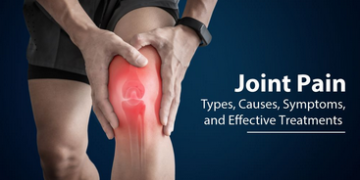
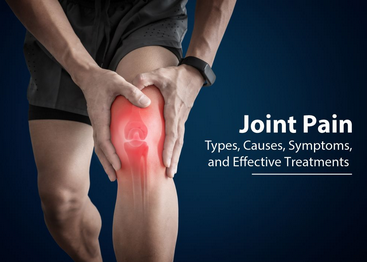
Joint pain is a common health issue that affects millions of people worldwide. Whether it’s a mild ache in your knees after a long day or persistent stiffness in your fingers, joint pain can interfere with daily life. Many people ignore early signs, thinking it’s just temporary discomfort. However, understanding why joint pains happen is the first step toward prevention and proper care.
In this article, we’ll explore the causes, symptoms, and simple ways to manage and prevent joint pain naturally.
What Is Joint Pain?
Joint pain refers to discomfort, stiffness, or inflammation in any part of a joint — where two or more bones meet, such as the knees, shoulders, hips, or elbows. It can affect people of all ages but becomes more common as we grow older.
The pain may be constant or occasional and can vary from mild to severe. In some cases, it may also be accompanied by swelling, redness, or reduced mobility.
Main Causes of Joint Pain
Understanding the root cause of joint pain is important for proper treatment. Below are the most common reasons:
1. Arthritis
Arthritis is the leading cause of joint pain. It includes different types, but the most common are:
- Osteoarthritis: Caused by wear and tear of cartilage over time
- Rheumatoid arthritis: An autoimmune condition where the immune system attacks joints
In both cases, inflammation leads to pain, stiffness, and swelling.
2. Injury or Physical Damage
Joint injuries can occur due to accidents, sports, or sudden movements. Common injuries include:
- Sprains
- Ligament tears
- Dislocations
These injuries damage the tissues around the joint, leading to pain and limited movement.
3. Overuse of Joints
Repeating the same motion over time can strain joints. This is common among athletes, gym-goers, or people with physically demanding jobs.
Conditions caused by overuse include:
- Tendinitis (inflamed tendons)
- Bursitis (inflamed cushioning sacs in joints)
4. Gout
Gout is a type of arthritis caused by the buildup of uric acid crystals in joints. It usually affects the big toe but can occur in other joints as well.
It often causes sudden and severe pain, along with redness and swelling.
5. Infections
Certain infections can lead to joint pain. Viral infections like flu or bacterial infections can cause inflammation in joints.
In some cases, infections may also bring fever and fatigue along with joint discomfort.
6. Aging and Wear & Tear
As we age, the cartilage that protects our joints gradually wears down. This leads to friction between bones, causing pain and stiffness.
That’s why joint pain is more common in older adults.
7. Lifestyle Factors
Modern lifestyle habits play a big role in joint health. Some common factors include:
- Lack of physical activity
- Sitting for long hours
- Being overweight
- Poor posture
- Nutritional deficiencies (like low Vitamin D or calcium)
Common Symptoms of Joint Pain
Joint pain doesn’t always feel the same. Symptoms may include:
- Pain during movement
- Swelling or tenderness
- Stiffness, especially in the morning
- Reduced flexibility
- Warmth or redness around the joint
If these symptoms persist, it’s important to take them seriously.
How to Prevent Joint Pain Naturally
Preventing joint pain is possible with simple lifestyle changes. Here are some effective tips:
Stay Active
Regular physical activity keeps joints flexible and strong. Low-impact exercises like walking, yoga, and swimming are especially helpful.
Maintain a Healthy Weight
Extra body weight puts pressure on joints, especially knees and hips. Losing even a small amount of weight can reduce stress on joints significantly.
Eat a Balanced Diet
Include foods rich in:
- Calcium (milk, yogurt)
- Vitamin D (sunlight, eggs)
- Omega-3 fatty acids (nuts, seeds, fish)
These nutrients help keep joints healthy.
Practice Good Posture
Poor posture can strain joints over time. Sit and stand properly to avoid unnecessary stress on your body.
Avoid Overuse
Give your joints enough rest. Avoid repetitive movements for long periods without breaks.
Stay Hydrated
Water helps maintain joint lubrication, reducing stiffness and discomfort.
When Should You See a Doctor?
While occasional joint pain is normal, you should consult a doctor if:
- Pain lasts more than a few days
- There is severe swelling or redness
- You experience fever with joint pain
- Movement becomes difficult
Early diagnosis can prevent serious complications.
Natural Remedies for Joint Pain Relief
Along with medical treatment, some natural methods can help reduce joint pain:
- Applying warm or cold compress
- Gentle stretching exercises
- Herbal remedies like turmeric and ginger
- Massage therapy
- Adequate rest and sleep
These remedies can support overall joint health when used consistently.
Conclusion
Joint pain can happen for many reasons, including arthritis, injuries, aging, and lifestyle habits. While it is common, it should not be ignored. Taking early action, maintaining a healthy lifestyle, and understanding the root cause can make a big difference.
By following simple daily habits like staying active, eating nutritious food, and avoiding strain, you can protect your joints and live a pain-free life.






Discussion about this post