




























Minimally invasive surgery has transformed modern medicine by allowing surgeons to perform complex procedures through small incisions. These techniques reduce patient recovery time, minimize scarring, and lower the risk of complications. However, certain surgical steps—such as tissue removal—can present challenges that require specialized tools. One important innovation that addresses this challenge is the use of morcellation bags.
Morcellation bags play a crucial role in ensuring safety during minimally invasive procedures. They help surgeons remove tissue in a controlled environment, reducing the risk of spreading potentially harmful cells within the abdominal cavity.
Understanding Morcellation in Surgery
Morcellation is a surgical technique used to break large pieces of tissue into smaller fragments so they can be removed through small incisions. This method is commonly used in laparoscopic and robotic surgeries, where traditional large incisions are avoided.
Morcellation is often performed during procedures such as:
-
Hysterectomy (removal of the uterus)
-
Myomectomy (removal of uterine fibroids)
-
Removal of certain tumors or abnormal tissue
While morcellation allows surgeons to maintain the benefits of minimally invasive surgery, concerns have been raised about the possibility of spreading undetected cancer cells during tissue fragmentation.
This is where morcellation bags become an essential part of the procedure.
What Are Morcellation Bags?
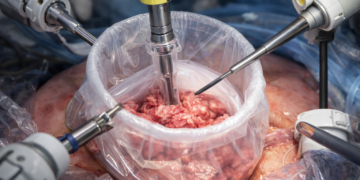
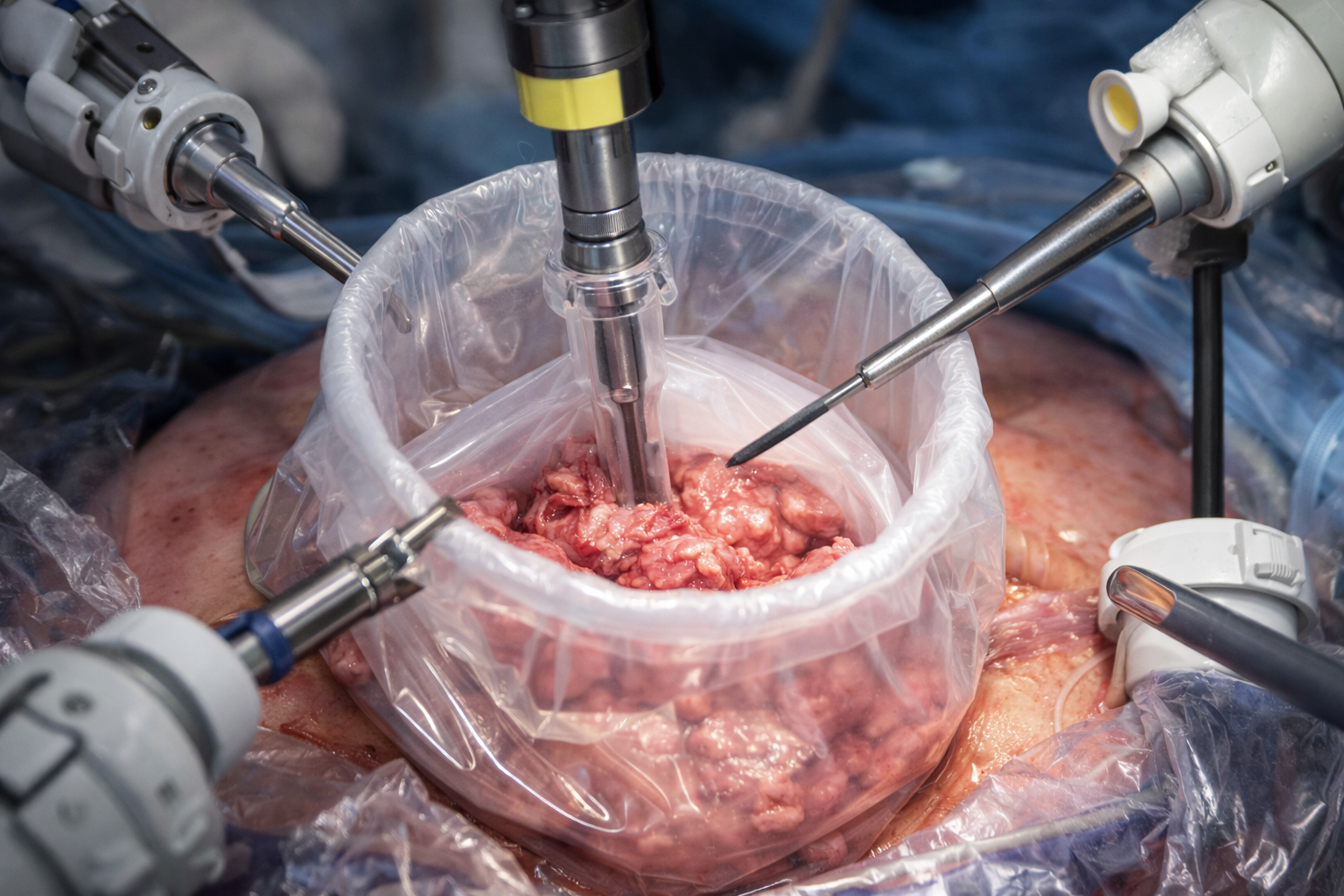
Morcellation bags are specially designed surgical containment systems used during minimally invasive procedures. These sterile bags are placed inside the abdominal cavity, and the tissue that needs to be removed is placed inside the bag before morcellation occurs.
The bag acts as a protective barrier, preventing tissue fragments or fluids from spreading within the body during the procedure.
Morcellation bags are typically made from durable, flexible materials that allow surgeons to manipulate instruments while maintaining a sealed environment.
Why Morcellation Bags Are Important
The use of morcellation bags has significantly improved patient safety in minimally invasive surgery. Their role has become increasingly important as healthcare providers aim to reduce surgical risks.
1. Preventing Tissue Spread
One of the biggest concerns during morcellation is the potential spread of tissue fragments within the abdominal cavity. If the tissue contains undiagnosed cancer cells, those cells could spread to other areas.
Morcellation bags help contain all tissue fragments, reducing this risk.
2. Maintaining a Sterile Surgical Environment
During surgery, maintaining a clean and controlled environment is essential. Containment bags help prevent contamination from tissue debris or fluids, which can improve overall surgical safety.
3. Supporting Minimally Invasive Techniques
Without containment systems, some procedures might require larger incisions to remove tissue intact. Morcellation bags allow surgeons to safely perform procedures using small incisions, preserving the advantages of minimally invasive surgery.
4. Improving Patient Outcomes
By reducing the risks associated with tissue spread and contamination, morcellation bags contribute to better patient outcomes and fewer postoperative complications.
Procedures That Commonly Use Morcellation Bags
Morcellation bags are commonly used in several types of surgical procedures, particularly in gynecological and abdominal surgeries.
Laparoscopic Hysterectomy
During this procedure, the uterus is removed through small incisions. A morcellation bag allows the uterus to be safely fragmented and removed without exposing surrounding organs to tissue fragments.
Myomectomy
Myomectomy involves removing uterine fibroids while preserving the uterus. Since fibroids can be large, morcellation is often required to remove them through laparoscopic incisions.
Removal of Abdominal Masses
In some cases, surgeons may use morcellation bags to remove benign masses or enlarged tissues in abdominal surgeries.
Safety Regulations and Guidelines
In recent years, regulatory agencies and medical organizations have emphasized the importance of containment systems during morcellation.
Several healthcare authorities recommend using contained morcellation techniques whenever tissue fragmentation is required during minimally invasive procedures.
These recommendations aim to reduce the risk of spreading undetected malignancies and to improve surgical safety standards.
Hospitals and surgical centers increasingly incorporate morcellation bags as part of their standard protocols for certain procedures.
Advantages of Using Morcellation Bags
The adoption of morcellation bags has provided numerous benefits for both patients and surgeons.
Enhanced Patient Safety
Containment systems reduce the risk of tissue spread, making minimally invasive procedures safer.
Smaller Surgical Incisions
Since tissues can be removed in fragments within the bag, surgeons can maintain small incisions rather than converting to open surgery.
Faster Recovery
Patients undergoing minimally invasive procedures generally experience shorter hospital stays and quicker recovery times.
Reduced Postoperative Complications
By preventing tissue contamination and maintaining a controlled surgical environment, morcellation bags help lower the chances of infection and other complications.
Challenges and Considerations
Although morcellation bags offer many benefits, surgeons must receive proper training to use them effectively.
Working within a containment system can require advanced surgical skills and careful instrument handling. Proper deployment and sealing of the bag are critical to ensure that containment is maintained throughout the procedure.
Additionally, surgeons must carefully evaluate patients before surgery to assess the risk of undiagnosed malignancies.
The Future of Morcellation Technology
As medical technology continues to evolve, surgical equipment such as morcellation bags is becoming more advanced. Manufacturers are developing improved containment systems that are stronger, easier to deploy, and more compatible with robotic surgical tools.
These innovations aim to enhance both safety and efficiency during minimally invasive procedures.
In the future, we may also see improved imaging and diagnostic tools that help surgeons identify risks before surgery, further reducing the need for caution during morcellation.
Conclusion
Morcellation bags have become an essential tool in modern minimally invasive surgery. By providing a secure containment system during tissue fragmentation, they help reduce the risk of spreading harmful cells and maintain a controlled surgical environment.
Their use supports the continued growth of minimally invasive techniques, allowing patients to benefit from smaller incisions, faster recovery times, and improved surgical outcomes.
As surgical technologies continue to advance, morcellation bags will likely remain an important part of ensuring patient safety and enhancing the effectiveness of minimally invasive procedures.








Discussion about this post