



























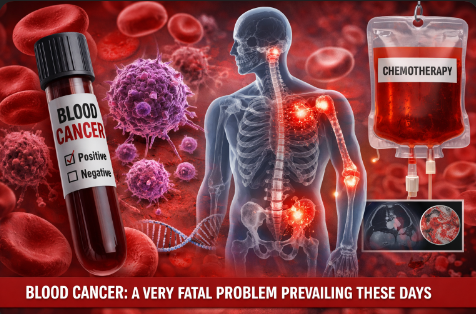
Blood cancer is one of the most serious and life-threatening diseases affecting people around the world today. With the increasing number of cancer cases globally, blood cancer has become a major health concern. It affects the production and function of blood cells, weakening the body’s ability to fight infections and perform essential bodily functions. Although medical science has made significant progress in diagnosing and treating blood cancer, early detection and awareness remain crucial for survival.
This article explores blood cancer in detail, including its types, causes, symptoms, treatment options, and preventive measures.
What is Blood Cancer?
Blood cancer is a type of cancer that begins in the tissues responsible for producing blood cells, mainly the bone marrow and lymphatic system. These cancers disrupt the normal production and functioning of blood cells. In healthy individuals, blood cells grow, divide, and die in an organized way. However, in blood cancer, abnormal blood cells grow uncontrollably and prevent normal cells from functioning properly.
Bone marrow, the soft tissue inside bones, produces stem cells that develop into red blood cells, white blood cells, and platelets. When these cells become cancerous due to DNA mutations, they can interfere with oxygen transport, immune response, and blood clotting.
Blood cancers affect millions of people worldwide each year, making it a major global health issue.
Major Types of Blood Cancer
There are three main types of blood cancer, each affecting different blood components.
1. Leukemia
Leukemia is the most common type of blood cancer. It originates in the bone marrow and leads to the production of large numbers of abnormal white blood cells. These cells do not function properly and crowd out healthy blood cells.
Leukemia can be classified into four major types:
-
Acute Lymphoblastic Leukemia (ALL)
-
Acute Myeloid Leukemia (AML)
-
Chronic Lymphocytic Leukemia (CLL)
-
Chronic Myeloid Leukemia (CML)
Acute leukemia develops rapidly and requires immediate treatment, while chronic leukemia progresses more slowly.
2. Lymphoma
Lymphoma affects the lymphatic system, which is a key part of the immune system. It occurs when lymphocytes (a type of white blood cell) grow uncontrollably in lymph nodes and tissues.
The two main types of lymphoma are:
-
Hodgkin Lymphoma
-
Non-Hodgkin Lymphoma
Symptoms often include swollen lymph nodes, fever, night sweats, and unexplained weight loss.
3. Multiple Myeloma
Multiple myeloma affects plasma cells, which are responsible for producing antibodies that help fight infections. In this cancer, abnormal plasma cells accumulate in the bone marrow and interfere with normal blood cell production.
It can lead to bone damage, weakened immunity, and kidney problems.
Causes and Risk Factors
The exact cause of blood cancer is still not fully understood. However, researchers believe it develops due to genetic mutations that alter the normal functioning of blood cells.
Several risk factors may increase the likelihood of developing blood cancer, including:
-
Genetic predisposition or family history
-
Exposure to harmful chemicals such as benzene
-
Radiation exposure
-
Certain viral infections
-
Weak immune system
-
Previous cancer treatments like chemotherapy or radiation
Environmental factors and lifestyle choices may also play a role in the development of this disease.
Common Symptoms of Blood Cancer
Blood cancer symptoms often vary depending on the type and stage of the disease. However, some common warning signs include:
-
Persistent fatigue and weakness
-
Frequent infections
-
Unexplained weight loss
-
Fever or chills
-
Shortness of breath
-
Bone or joint pain
-
Night sweats
-
Easy bruising or bleeding
-
Swollen lymph nodes
-
Pale skin or anemia
These symptoms may also occur in other illnesses, so it is important to consult a doctor if they persist for several weeks.
Diagnosis of Blood Cancer
Early diagnosis plays a crucial role in improving survival rates. Doctors use several tests to detect blood cancer, including:
-
Complete Blood Count (CBC)
-
Bone marrow biopsy
-
Imaging tests such as CT scans or MRI
-
Genetic and molecular testing
These tests help doctors determine the type and stage of the cancer, allowing them to create the most effective treatment plan.
Treatment Options
Thanks to modern medical advancements, many blood cancers can now be treated or managed effectively. Common treatment options include:
1. Chemotherapy
Chemotherapy is one of the most widely used treatments. It uses powerful drugs to destroy cancer cells or stop their growth.
2. Radiation Therapy
Radiation therapy uses high-energy rays to damage cancer cells and prevent them from multiplying.
3. Immunotherapy
This treatment strengthens the immune system so it can recognize and attack cancer cells more effectively.
4. Targeted Therapy
Targeted therapy focuses on specific genetic mutations in cancer cells, reducing damage to healthy cells.
5. Stem Cell Transplant
Stem cell or bone marrow transplantation replaces damaged bone marrow with healthy stem cells, helping restore normal blood cell production.
Recent medical research has improved survival rates significantly, and some types of blood cancer are now manageable with modern therapies.
Prevention and Healthy Lifestyle
While blood cancer cannot always be prevented, certain lifestyle changes can reduce the risk:
-
Avoid exposure to harmful chemicals
-
Maintain a healthy diet
-
Exercise regularly
-
Avoid smoking and excessive alcohol consumption
-
Strengthen immunity through balanced nutrition
-
Get regular health check-ups
Raising awareness and encouraging early medical consultation can help detect the disease before it reaches an advanced stage.
Importance of Early Detection
One of the biggest challenges with blood cancer is that many symptoms appear gradually and may be mistaken for common illnesses. Delayed diagnosis often makes treatment more difficult.
Regular health screenings, awareness of warning signs, and timely medical care can significantly improve survival chances.
Conclusion
Blood cancer remains a serious and potentially fatal disease affecting millions worldwide. However, advancements in medical science have improved treatment outcomes and survival rates. Understanding the types, symptoms, and risk factors of blood cancer can help individuals recognize early warning signs and seek prompt medical care.
By promoting awareness, encouraging regular health check-ups, and adopting healthy lifestyle habits, society can take important steps toward reducing the impact of blood cancer and improving patient outcomes.









Discussion about this post