
























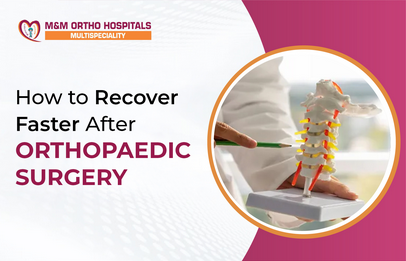
Orthopedic surgery—such as procedures on the knee, hip, shoulder, or spine—can greatly improve mobility and reduce pain. However, the success of the surgery doesn’t end in the operating room. A smooth and speedy recovery depends on how well you take care of your body afterward. With the right approach, you can heal faster, regain strength, and return to daily activities safely.
Follow Your Doctor’s Instructions Carefully
Your surgeon and healthcare team give specific instructions for a reason. These may include wound care, medication schedules, activity restrictions, and follow-up appointments. Ignoring or changing these instructions on your own can slow healing or lead to complications. If something feels unclear, always ask before making changes.
Prioritize Rest and Quality Sleep
Rest is one of the most important parts of recovery. Your body repairs tissues and reduces inflammation while you sleep. Aim for consistent, quality sleep each night, and allow yourself short rest periods during the day. Avoid pushing yourself too hard, especially in the early stages of recovery.
Manage Pain the Right Way
Pain management helps you move more comfortably and participate in physical therapy. Take prescribed medications exactly as directed. If your pain feels unusual or difficult to control, contact your healthcare provider. Proper pain control can prevent stiffness and support better mobility.
Stay Consistent With Physical Therapy
Physical therapy plays a major role in orthopedic recovery. The exercises may feel challenging at first, but they help rebuild strength, improve flexibility, and restore movement. Skipping sessions or stopping early can delay progress. Consistency, even with gentle movements, makes a big difference over time.
Eat Nutritious Foods That Support Healing
Your body needs fuel to heal. Focus on balanced meals that include:
-
Protein for tissue repair
-
Fruits and vegetables for vitamins and antioxidants
-
Whole grains for energy
-
Calcium and vitamin D for bone health
Staying hydrated is just as important, as fluids help deliver nutrients and support overall recovery.
Keep the Surgical Area Clean and Protected
Proper wound care reduces the risk of infection. Follow instructions for cleaning, dressing changes, and bathing. Watch for signs such as increased redness, swelling, warmth, or unusual drainage, and report them promptly.
Avoid Risky Movements and Activities
Even if you start feeling better, your body may still be healing internally. Avoid heavy lifting, sudden movements, or activities that your doctor has not approved. Using braces, crutches, or supports when recommended can protect the surgical area and prevent setbacks.
Maintain a Positive Mindset
Recovery can feel slow at times, but patience and a positive attitude matter. Celebrate small improvements, such as increased range of motion or reduced pain. Staying mentally motivated can help you stick with your recovery plan and reduce stress.
Know When to Ask for Help
If something doesn’t feel right—such as worsening pain, fever, or difficulty moving—don’t ignore it. Early communication with your healthcare provider can prevent minor issues from becoming major problems.
Final Thoughts
Recovering faster after orthopedic surgery is about teamwork between you and your healthcare providers. By following instructions, caring for your body, staying active in therapy, and giving yourself time to heal, you can improve your recovery experience and get back to daily life more safely and confidently.




Discussion about this post