
























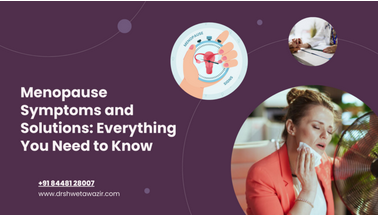
For many women, the transition into menopause—known as perimenopause—can feel like an unpredictable emotional and physical rollercoaster. While menopause is a natural biological milestone, the early signs often arrive unannounced, leaving many feeling overwhelmed.
Understanding these symptoms and learning how to manage them is the first step toward reclaiming your quality of life. In this guide, we explore the early indicators of menopause and provide actionable strategies to help you navigate this transition with confidence.
What Is Perimenopause?
Perimenopause is the transitional phase leading up to menopause (the point when you have gone 12 consecutive months without a period). During this time, the production of estrogen and progesterone by the ovaries begins to fluctuate and eventually decline. This transition can begin in your 40s, or even late 30s, and can last anywhere from a few years to a decade.
5 Common Early Signs of Menopause
1. Irregular Periods
This is often the first “red flag.” You might notice your cycles becoming shorter or longer, or your flow becoming unusually heavy or light. These changes occur because ovulation is becoming less predictable.
2. Hot Flashes and Night Sweats
A sudden wave of heat spreading through your upper body and face is a classic symptom. When these happen at night, they are called night sweats, often leading to disrupted sleep and “brain fog” the following day.
3. Mood Swings and Anxiety
The hormonal shifts during perimenopause can mimic PMS but on a more intense scale. Many women report increased irritability, sudden bouts of anxiety, or feelings of low mood that seem to come out of nowhere.
4. Sleep Disturbances
Even without night sweats, many women find it harder to fall or stay asleep. This is often linked to declining progesterone levels, which normally have a calming effect on the brain.
5. Changes in Libido and Vaginal Dryness
As estrogen levels drop, vaginal tissues may become thinner and less lubricated, making intercourse uncomfortable. Additionally, the hormonal shift can lead to a noticeable dip in sexual desire.
How to Cope: Practical Strategies for Relief
Optimize Your Nutrition
What you eat plays a massive role in hormone regulation. Focus on:
-
Phytoestrogens: Foods like soy, flaxseeds, and sesame seeds contain plant-based estrogens that may help balance your levels.
-
Calcium and Vitamin D: Essential for protecting bone density, which decreases as estrogen drops.
-
Fiber: Helps the body process and eliminate excess hormones efficiently.
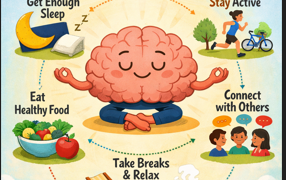
Prioritize Stress Management
High levels of cortisol (the stress hormone) can exacerbate menopausal symptoms. Incorporate daily practices like yoga, deep breathing exercises, or meditation to keep your nervous system calm.
Stay Active
Weight-bearing exercises (like walking or light weightlifting) are crucial for bone health, while aerobic exercise can help stabilize mood and improve sleep quality.
Environmental Tweaks
To manage hot flashes, try “layering” your clothing so you can easily remove items. Keep your bedroom cool, use breathable cotton sheets, and avoid triggers like spicy foods, caffeine, and alcohol in the evening.
Consult a Professional
If symptoms are significantly impacting your daily life, speak with your healthcare provider. Options like Hormone Replacement Therapy (HRT), non-hormonal medications, or specialized supplements can provide much-needed relief.
Conclusion
Menopause is not an “end,” but a new chapter. By recognizing the early signs and making proactive lifestyle adjustments, you can manage the transition smoothly. Remember, your body is changing, and it deserves extra care and nourishment during this time.







Discussion about this post