


























Let’s talk about something many women go through but don’t always talk about openly—fibroids.
If you’ve ever experienced heavy periods, unexplained pelvic pain, or even bloating that doesn’t make sense, fibroids might be one of the reasons. The surprising part? They are extremely common. In fact, most women develop fibroids at some point in their lives, often without even realizing it.
So, what exactly are fibroids, and why do they happen? Let’s break it down in a simple, real-world way.
What Are Fibroids, Really?
Fibroids are non-cancerous growths that develop in or around the uterus. They’re made of muscle and fibrous tissue, and they can be as tiny as a seed or as large as a grapefruit.
Hearing the word “growth” can feel scary, but fibroids are not cancer. In most cases, they’re harmless. The only time they become a concern is when they start causing symptoms that affect your daily life.
Why Do So Many Women Get Fibroids?
The main reason behind fibroids is hormonal changes, especially involving estrogen and progesterone.
These hormones are naturally present in your body and play a big role in your menstrual cycle. But they also encourage fibroids to grow. That’s why:
- Fibroids are most common during your reproductive years
- They may grow during pregnancy
- They often shrink after menopause
Apart from hormones, other factors can also increase your chances:
- Family history (if your mother had fibroids, your risk is higher)
- Being overweight
- Poor diet (too much processed food, not enough fruits/vegetables)
- Low vitamin D levels
It’s usually not just one cause—it’s a combination of things.
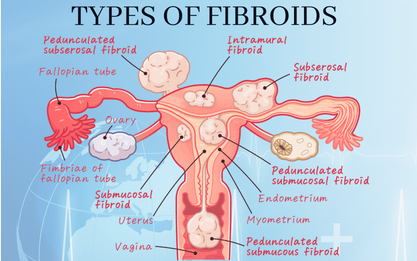
Different Types of Fibroids (Yes, There Are Types)
Not all fibroids are the same. Where they grow in the uterus actually matters.
- Inside the uterine wall (intramural) – the most common type
- Inside the uterine cavity (submucosal) – can cause heavy bleeding
- On the outer surface (subserosal) – may press on nearby organs
This is why two women with fibroids can have completely different experiences.
Common Symptoms You Shouldn’t Ignore
Here’s the tricky part—many women don’t feel anything at all. Fibroids can exist quietly for years.
But when symptoms do show up, they can include:
- Heavy or long-lasting periods
- Painful cramps
- Feeling of pressure in the lower abdomen
- Frequent urge to urinate
- Constipation
- Lower back pain
- Bloating or enlarged belly
If your periods are getting heavier than usual or your body feels “off,” it’s worth paying attention.
How Hormones Are Connected to Fibroids
Think of hormones as signals in your body. When estrogen and progesterone levels are high, fibroids may grow faster.
That’s why:
- During pregnancy, fibroids may increase in size
- After menopause, they often shrink naturally
- Hormonal imbalance can make symptoms worse
This strong hormonal link is the reason fibroids are considered a hormone-driven condition.
How Do You Find Out If You Have Fibroids?
Most women discover fibroids during a routine check-up or ultrasound. Doctors usually confirm it through:
- Ultrasound scan
- MRI (in some cases)
- Pelvic exam
Sometimes, you might go for a check-up for something else and find out you have fibroids—that’s how common they are.
Treatment: Do You Always Need It?
Here’s some good news—not all fibroids need treatment.
If they’re small and not causing problems, doctors often suggest simply monitoring them over time.
But if symptoms are affecting your daily life, there are several options:
1. Medications
These can help control symptoms like heavy bleeding or pain. They mainly work by balancing hormones.
2. Non-Surgical Treatments
Procedures like uterine artery embolization can shrink fibroids without major surgery.
3. Surgery
In more serious cases:
- Fibroids can be removed (myomectomy)
- Or, in extreme situations, the uterus may be removed (hysterectomy)
The right treatment depends on your age, symptoms, and whether you plan to have children.
Can You Prevent Fibroids?
There’s no guaranteed way to prevent fibroids, but you can lower your risk by taking care of your overall health.
Some simple lifestyle habits can make a difference:
- Eat more fresh fruits and vegetables
- Cut down on processed and high-fat foods
- Exercise regularly
- Maintain a healthy weight
- Get enough sunlight or vitamin D
These steps help keep your hormones balanced, which may reduce the chances of fibroid growth.
When Should You See a Doctor?
It’s easy to ignore symptoms, especially when life gets busy. But you should consider seeing a doctor if you notice:
- Very heavy periods (soaking pads quickly)
- Severe menstrual pain
- Constant pelvic discomfort
- Feeling tired all the time (could be anemia)
Getting checked early can make a big difference.
Final Thoughts
Fibroids are incredibly common, and if you’re dealing with them, you’re definitely not alone. While they are usually harmless, they can sometimes interfere with your comfort and quality of life.
The key is awareness—understanding your body, noticing changes, and not ignoring symptoms.
With the right care, lifestyle choices, and medical support, fibroids can be managed effectively, allowing you to live a healthy and normal life.