























High blood pressure, also called hypertension, is often known as the “silent killer” because it usually develops without obvious symptoms. Many people feel completely normal until serious complications like heart disease or stroke begin to appear. According to the American Heart Association, most people with high blood pressure have no clear warning signs, which is why regular blood pressure checks are so important.
Still, your body may sometimes show subtle signs that are easy to ignore in daily life. Here are 10 early signs of high blood pressure you should pay attention to.
1. Frequent Morning Headaches
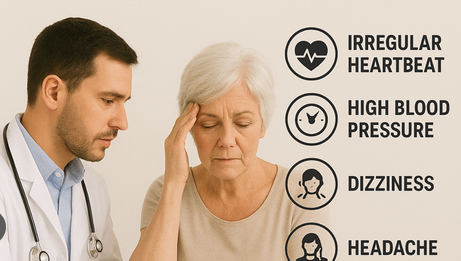
Waking up with headaches, especially in the morning, may sometimes be linked to rising blood pressure. While headaches can happen for many reasons like stress or poor sleep, repeated morning headaches should not be ignored.
2. Dizziness or Lightheadedness
If you often feel dizzy without a clear reason, it may be a sign your blood pressure needs attention. Lightheadedness along with fatigue or blurred vision can be an important warning.
3. Shortness of Breath
Getting breathless while climbing stairs or doing simple daily activities may suggest your heart is under extra pressure. High blood pressure can strain the heart over time and affect normal breathing.
4. Frequent Nosebleeds
Occasional nosebleeds can happen due to dry weather, but frequent nosebleeds may sometimes be linked to severe blood pressure changes. If they happen often, medical advice is recommended.
5. Blurred Vision
High blood pressure can damage the tiny blood vessels in the eyes, which may lead to blurry vision or temporary visual problems.
6. Constant Fatigue
Feeling tired all the time, even after proper rest, may be a hidden sign. Poor circulation and extra heart strain can reduce your overall energy levels.
7. Chest Discomfort
Tightness, pressure, or discomfort in the chest should never be ignored. High blood pressure can affect heart health and may increase the risk of serious heart problems.
8. Heart Palpitations
If your heart feels like it is racing, pounding, or skipping beats, it may be connected to blood pressure fluctuations or heart stress.
9. Trouble Sleeping
Poor sleep, restless nights, or waking up often may sometimes be linked with high blood pressure, especially when combined with stress and headaches.
10. Facial Flushing
Frequent redness or warmth in the face may not always mean hypertension, but when it happens repeatedly along with other symptoms, it should not be ignored.
The Real Truth: Most People Feel Nothing
The biggest danger of high blood pressure is that most people experience no symptoms at all. Mayo Clinic states that elevated blood pressure often causes no symptoms, and the only reliable way to detect it is through regular monitoring.
That is why hypertension is called a silent killer.
When You Should Seek Immediate Help
If your blood pressure reaches very high levels and you experience chest pain, severe headache, confusion, breathing difficulty, or sudden vision problems, immediate medical attention is necessary. These may be signs of a serious emergency called a hypertensive crisis.
Final Thoughts
Ignoring small symptoms today can lead to major health problems tomorrow. A simple blood pressure check can help protect you from heart attack, stroke, kidney disease, and other serious complications.
Sometimes the warning signs are small—but the risk is huge.