






























Early Signs of Blood Cancer: What to Watch For + When to See a Doctor
Blood cancer can develop silently, and early detection improves the chances of effective treatment. Understanding the early signs of blood cancer helps you notice symptoms early and seek medical advice without delay.
What Is Blood Cancer?
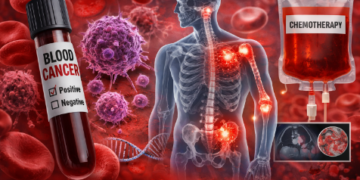
Blood cancer refers to cancers that affect the blood, bone marrow, or lymphatic system. The most common types are:
-
Leukemia – cancer of blood‑forming tissues
-
Lymphoma – cancer of the lymphatic system
-
Multiple myeloma – cancer of plasma cells
These conditions can interfere with normal blood cell production and immune function.
Common Early Symptoms of Blood Cancer
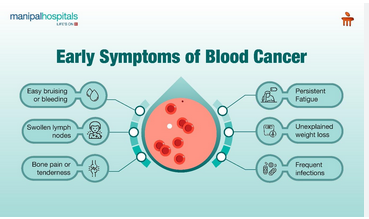
1. Persistent Fatigue
Feeling unusually tired even after rest can be a sign of low red blood cells (anemia). In blood cancer, the bone marrow may not be producing enough healthy cells, leading to chronic fatigue.
2. Frequent Infections
If you’re catching infections more often than usual or illnesses take longer to heal, it could be a symptom of a compromised immune system — a possible early sign of blood cancer.
3. Unexplained Bruising or Bleeding
Easy bruising, bleeding gums, nosebleeds, or tiny red spots under the skin can indicate low platelet counts, which is sometimes seen in blood disorders.
4. Swollen Lymph Nodes
Painless swelling in the neck, armpits, or groin may occur when lymph nodes are affected. Persistent swelling should be evaluated by a doctor.
5. Night Sweats and Fever
Sudden fevers or heavy night sweats without an infection can be early warning signs of certain blood cancers.
6. Unintentional Weight Loss
Losing weight without changing your diet or activity level could signal a serious health issue, including blood cancer.
7. Bone or Joint Pain
Persistent aches in bones or joints can occur when cancer cells collect near the bone surface or inside marrow.
Why Early Detection Matters
Blood cancers can progress quietly. Spotting symptoms early means you can:
-
Get timely medical evaluation
-
Begin treatment sooner
-
Improve overall outcomes
When to See a Doctor
You should consider medical advice when:
-
Symptoms last more than a few weeks
-
Common home remedies don’t help
-
Multiple symptoms occur together
Discuss concerns with a healthcare provider and ask for a Complete Blood Count (CBC) test to check blood cell levels.
FAQs About Blood Cancer Symptoms
Q: Can tiredness alone mean blood cancer?
A: Not usually. Tiredness is common in many conditions. It’s the pattern and combination of symptoms that matter.
Q: What tests are used to diagnose blood cancer?
A: Initial testing usually includes a CBC, followed by more specific tests if needed (such as bone marrow biopsy).
Conclusion
Recognizing early blood cancer warning signs empowers you to take action sooner. While many symptoms can also be caused by less serious conditions, persistent or unexplained signs deserve a doctor’s evaluation.
Stay informed, listen to your body, and make your health a priority.