






















🩸 Understanding the Menstrual Cycle
What Is the Menstrual Cycle?
The menstrual cycle is a natural, monthly process that prepares the body for pregnancy. It is controlled by hormones and typically lasts between 21 and 35 days. When pregnancy does not occur, the uterus sheds its lining, resulting in menstruation, commonly known as a period.
Understanding The Menstrual Cycle Explained: Phases, Symptoms, and What to Expect helps individuals recognize what is normal for their bodies and make informed health choices.
Why the Menstrual Cycle Matters for Overall Health
The menstrual cycle is more than just a period—it reflects hormonal balance, reproductive health, and even emotional well-being. Irregular cycles can sometimes signal stress, nutritional gaps, or underlying medical conditions.
🧪 Hormones That Control the Menstrual Cycle
Role of Estrogen and Progesterone
Two key hormones—estrogen and progesterone—guide the menstrual cycle. Estrogen helps build the uterine lining, while progesterone prepares it for pregnancy.
How Hormones Fluctuate Throughout the Month
Hormone levels rise and fall during different phases, influencing energy, mood, appetite, and focus. These natural shifts explain why you may feel energized one week and tired the next.
🔄 The Four Main Phases of the Menstrual Cycle
Menstrual Phase: What Happens During Your Period
This phase begins on day one of your cycle. The uterus sheds its lining, causing bleeding that usually lasts 3–7 days.
Common Symptoms During Menstruation
-
Abdominal cramps
-
Lower back pain
-
Fatigue
-
Headaches
-
Mood swings
Rest, hydration, and gentle movement can help ease discomfort.
Follicular Phase: Preparing for Ovulation
The follicular phase starts on the first day of menstruation and ends with ovulation. The body begins preparing a new egg for release.
Physical and Emotional Changes
-
Increased energy
-
Improved focus
-
Optimistic mood
-
Clearer skin
This phase is ideal for starting new projects or routines.
Ovulation Phase: The Fertile Window
Ovulation usually occurs around the middle of the cycle. An egg is released from the ovary and can be fertilized for up to 24 hours.
Signs and Symptoms of Ovulation
-
Mild pelvic pain
-
Increased cervical mucus
-
Slight rise in body temperature
-
Higher confidence and social energy
Ovulation is key to fertility and overall hormonal health.
Luteal Phase: After Ovulation
This phase lasts about 14 days. Progesterone levels rise to support a possible pregnancy.
PMS and Hormonal Shifts
Common symptoms include:
-
Bloating
-
Breast tenderness
-
Irritability
-
Food cravings
-
Trouble sleeping
If pregnancy doesn’t occur, hormone levels drop, leading to the next menstrual phase.
🌸 Common Symptoms Throughout the Menstrual Cycle
Physical Symptoms
-
Cramps
-
Acne
-
Changes in appetite
-
Sleep disturbances
Emotional and Mental Symptoms
-
Anxiety
-
Mood swings
-
Low motivation
-
Increased sensitivity
Tracking symptoms can help identify patterns and improve self-care.
⚠️ What’s Normal vs. When to See a Doctor
Normal Cycle Variations
-
Slight changes in cycle length
-
Mild pain or discomfort
-
Occasional mood changes
Warning Signs That Need Medical Attention
-
Extremely heavy bleeding
-
Severe pain
-
Missed periods for several months
-
Periods lasting longer than 7 days
If symptoms interfere with daily life, consult a healthcare provider or visit trusted sources like **** (e.g., recognized medical organizations).
🌿 Lifestyle Tips to Support a Healthy Menstrual Cycle
Nutrition and Hydration
-
Eat iron-rich foods
-
Limit processed sugar
-
Drink plenty of water
Exercise and Stress Management
-
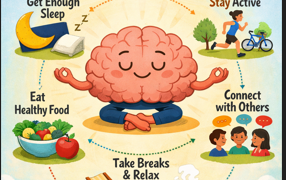
Gentle yoga or walking
-
Deep breathing
-
Adequate sleep
Balanced habits can reduce PMS and support hormonal stability
❓ Frequently Asked Questions (FAQs)
1. How long is a normal menstrual cycle?
Most cycles last between 21 and 35 days.
2. Is it normal to feel tired during my period?
Yes, fatigue is common due to hormone changes and blood loss.
3. Can stress affect my menstrual cycle?
Absolutely. Stress can delay or skip ovulation.
4. What is PMS?
Premenstrual Syndrome includes physical and emotional symptoms before a period.
5. Is ovulation painful?
Some people feel mild discomfort, which is usually normal.
6. When should I track my cycle?
Tracking helps identify patterns and predict periods or ovulation.
Conclusion
Understanding The Menstrual Cycle Explained: Phases, Symptoms, and What to Expect empowers individuals to listen to their bodies, manage symptoms, and seek help when needed. Each phase plays an important role, and small lifestyle changes can make a big difference in comfort and health.







Discussion about this post