

























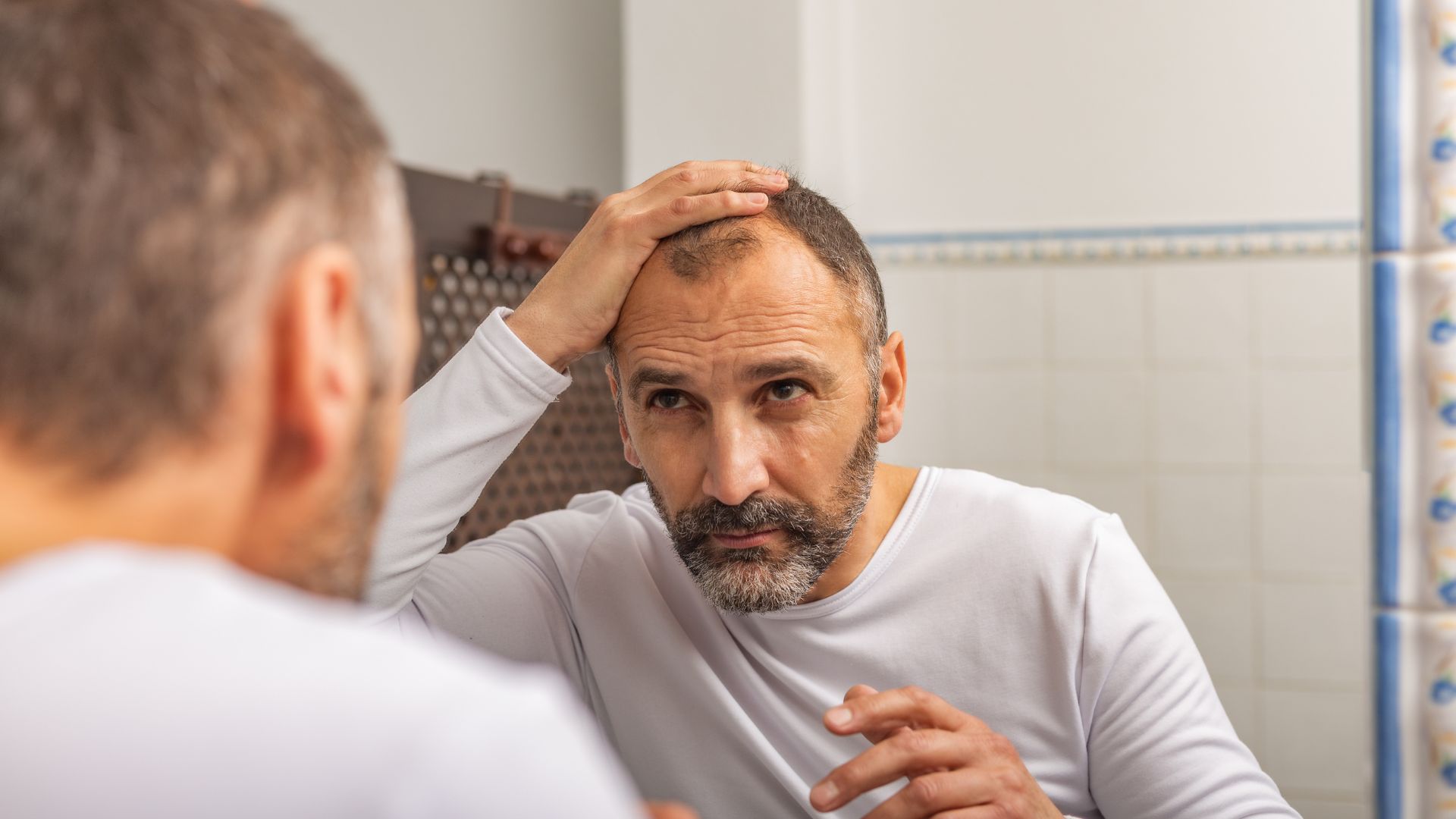
Noticing hair fall more than usual can be stressful. Getting hair in the hands while running fingers. Do you experience the same? Let us help with this guide to stop hair loss.
We will not only focus on regular dietary lifestyle changes but also procedures that are effective and recommended by a lot of people experiencing hair loss, so do not leave and get ready for hair growth.
Causes of Hair Loss
Before the solution, understand the problem. Your daily routine might include a few things that are becoming the reasons for hair loss. Here are some things that one needs to understand:
- Hereditary pattern baldness, androgenetic alopecia, is the most common cause, affecting men and women.
- Medical conditions like autoimmune diseases, including alopecia areata, scalp infections (ringworm), and scalp inflammation, can also cause hair loss.
- Hormonal changes are also a common reason behind hair loss. Pregnancy, childbirth, menopause, and thyroid problems can trigger shedding.
- Lack of iron, zinc, protein, biotin, and vitamins A, D, and E.
- Chemotherapy, radiation, blood thinners, some antidepressants, and heart medications can lead to hair loss.
- Physical or emotional trauma can cause temporary thinning.
5 Growth Tips: Say No to Hair Loss
Diet, stress, hair care, and more need to be considered when looking forward to healthy hair. Here are the 5 tips to grow your hair while dealing with hair loss:
Diet
A balanced diet rich in protein, iron, zinc, omega-3s, biotin, vitamins (A, C, D, E), and antioxidants supports hair health by providing essential building blocks, strengthening follicles, improving scalp circulation, and reducing inflammation. It directly combats nutrient-deficiency-related hair loss and promotes thicker, stronger growth. Key foods include fatty fish, eggs, leafy greens, nuts, seeds, lean meats, and fruits, while avoiding nutrient-poor fast foods.
Hair is made of protein (keratin); a deficiency can cause staling and loss. Add eggs, fish, lean meats, beans, tofu, and nuts to your diet for providing the essential protein.
Lifestyle Choices
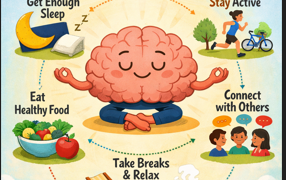
Lifestyle changes, especially exercise, help with hair loss by boosting blood circulation and delivering nutrients/oxygen to follicles, reducing stress, lowering cortisol levels that trigger shedding, balancing hormones, and aiding detoxification, creating a healthier scalp environment for growth, often combined with better nutrition and sleep.
Physical activity increases blood flow throughout the body, including to the scalp, ensuring hair follicles receive essential oxygen and nutrients for growth. Exercise releases endorphins and lowers stress hormones like cortisol, which can disrupt the hair growth cycle.
You read it right. Stress can hinder hair growth and lead to hair loss. Look at how you can manage stress.
Stress Management
Stress management helps hair loss by reducing the stress hormone cortisol, which prematurely pushes hair follicles into a resting phase, disrupting the normal growth cycle. Techniques like meditation, exercise, and deep breathing lower cortisol, calm the body, improve circulation, and create a healthier environment for hair to regrow, with patience being key as regrowth can take months.
Aim for 7-8 hours of quality sleep to break the stress-sleep deprivation cycle that worsens hair loss. Support hair follicles with nutrients like biotin, Omega-3s, Vitamin D, and Iron through a balanced diet.
Popular Hair Loss Procedures
You must have heard about hair transplants. When hair loss becomes a serious issue and hinders your confidence, then it is time to consult a specialist. A hair specialist can help make changes in the routine, but when the condition is serious, you can opt for hair transplants or non-surgical options like Minoxidil & Finasteride, and regenerative therapies such as Platelet-Rich Plasma (PRP) & Stem Cells, alongside cosmetic options like Scalp Micropigmentation (SMP) and Low-Level Laser Therapy (LLLT) for regrowth stimulation.
Consulting a Specialist
Sometimes we think that hair loss can be stopped by making changes in diet and exercise, it can happen, but when the condition is not in your control, you’d better get a specialist treat it.
You should see a specialist for hair loss if it’s sudden, patchy, severe, or accompanied by scalp issues (redness, itching, flakes) or other symptoms (fatigue, weight changes), especially if it persists for over three months, causes distress, or affects your confidence.
Early intervention with a dermatologist or GP can significantly improve outcomes for underlying causes like thyroid issues, nutritional deficiencies, or autoimmune conditions because hair loss can be a sign of other issues.
Now, look for hair loss treatment for men and get a professional treatment done before it is too late. Your confidence will be back, and you can attend social gatherings with a new look or natural hair.






Discussion about this post