



































Root canals get a bad rap. People hear the words and immediately panic. But honestly? They’re not that bad. Most folks are surprised by how smooth it goes. If you just found out you need one, take a breath. And if you’re trying to fit it around your job or family, that’s totally fair. Knowing the root canal procedure time ahead of time helps a lot. It takes the guesswork out of everything.
This guide walks you through the whole thing. Step by step. No fluff. If you’re in Cypress and want real answers before your appointment, keep reading.
What Is Root Canal Treatment?
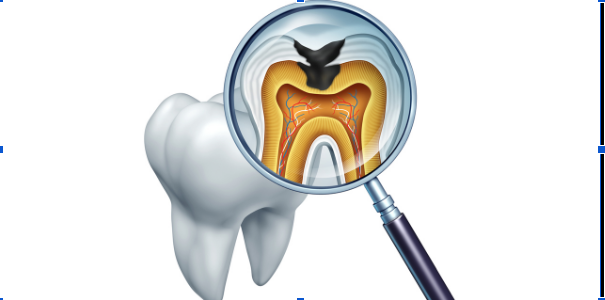
So, what actually happens during Root Canal Treatment? Your tooth has layers. The outer part is hard enamel. But deep inside is something called the pulp. It’s soft tissue. It holds nerves and blood vessels. When bacteria sneak in there, it gets infected. That infection hurts. A lot.
The fix? A root canal. Your dentist goes in, cleans out the infected pulp, and seals the tooth up. No extraction needed. The tooth stays right where it is. It’s a routine procedure. And thanks to modern tools and techniques, it’s way more comfortable than it used to be.
How Long Does a Root Canal Take on Average?
Many people ask the question, How Long Does a Root Canal Take? A root canal takes 60 to 90 minutes on average. That’s according to Teledentistry.com. But that number isn’t set in stone. It depends on the tooth. It depends on the infection. It depends on your unique situation.
Here’s a quick breakdown by tooth type:
| Tooth Type | Estimated Time |
| Front teeth (incisors, canines) | 30–60 minutes |
| Premolars | 60–90 minutes |
| Molars | 90 minutes or more |
Molars are trickier. They have more roots. More canals to clean out. That’s why they take longer. Your dentist will look at your X-rays and give you a proper estimate. Everyone’s mouth is a little different.
Why Do Front Teeth Take Less Time Than Molars?
Front teeth usually have just one canal. Simple in, simple out. Molars? They can have up to four canals. Four canals means four times the cleaning. Four times the shaping. Four times the filling. You can see why that takes longer. Also, a really bad infection slows things down. The worse it is, the more careful your dentist has to be.
The Step-by-Step Timeline of a Root Canal Procedure
Curious about what actually happens in the chair? Here’s the whole timeline:
| Stage | Time |
| Consultation and X-rays | 30–60 minutes |
| Local anesthesia | 15–30 minutes |
| Tooth isolation (dental dam) | 5–10 minutes |
| Opening the tooth | 10–20 minutes |
| Cleaning and shaping the canals | 30–60 minutes |
| Filling the canals | 20–40 minutes |
| Temporary or permanent filling | 5–15 minutes |
| Crown placement (if needed) | 30–60 minutes (sometimes a separate visit) |
The cleaning and filling stage takes the longest. That’s where the real work happens. Your dentist removes the infected tissue. Then disinfects everything. Then preps the canals for sealing. Sounds intense, right? It’s really not. People at dental clinics in Cypress are often shocked by how pain-free this part is. Local anesthesia does its job well.
What Factors Affect Root Canal Procedure Time?
No two root canals are exactly the same. A few things can speed it up or slow it down:
- Tooth location: Molars sit further back. More roots. More canals. Naturally takes more time.
- Infection severity: A long-standing infection needs extra care. Sometimes a follow-up visit is needed before sealing.
- Tooth anatomy: Some canals are curved or super narrow. Those take more patience to clean properly.
- Technology available: Clinics with digital X-rays and rotary tools move faster. Better tools mean better efficiency.
- Patient comfort: Need a little more numbing? That adds time. And that’s completely fine.
Every factor matters. That’s why your dentist’s estimate is based on your specific case, not just a general guess.
How Many Days Does Root Canal Treatment Take?
People always ask this. Root canal treatment — how many days are we really talking?
For a lot of patients, it’s just one day. One appointment. Done. That works for simple cases with mild to moderate infection. But sometimes, you need more than one visit. Here’s how that usually looks:
- First visit: The infected pulp gets removed. The canals get cleaned out. A temporary filling goes in.
- Second visit: The dentist checks everything. Seals the canals. Places a permanent filling or crown.
- Third visit (if needed): Rare, but it happens. Complex cases or heavy infections may need one more check before the final seal.
Between appointments, a temporary filling protects the tooth. Most patients in Cypress say the gap between visits is pretty comfortable. No major pain. Just patience.
What Happens After a Root Canal?
Good news — recovery is fast. Most people go straight back to work after. You might feel a little sore around the tooth. That’s normal. It usually fades within a day or two. Ibuprofen or acetaminophen handles it just fine.
Here are a few simple things to keep in mind:
- Avoid chewing on the treated side until your dentist says it’s okay
- Eat soft foods for the first day or two
- Brush and floss gently near the area
- Take any prescribed meds as directed
One thing to watch for — if the pain gets worse after a few days instead of better, call your dentist. That’s not typical, but it’s worth a quick check.
Get the Care You Need in Cypress
A root canal saves your tooth. It stops the infection. It removes the pain. Most of the time, it’s a single visit. The whole thing takes 60 to 90 minutes. Recovery is quick. Knowing the root canal procedure time helps you plan better and stress less.
If you’re looking for reliable Root Canal Treatment in Cypress, talk to a local dentist. They’ll review your case, walk you through the steps, and give you a real timeline. No guessing. No surprises.
Frequently Asked Questions
How long does a root canal take to heal?
Most people feel normal again within a day or two. Some mild soreness is totally expected right after the procedure. Over-the-counter meds handle it well. The area around the tooth may take a few more weeks to fully heal internally.
Does root canal treatment require more than one visit?
It really depends on the case. Simple infections with easy-to-reach canals are usually done in one visit. More complicated situations — like severe infections or tricky tooth anatomy — may need two or three visits to make sure everything is properly cleaned and sealed.
Can I go back to work after a root canal?
Yes, most people do. There’s no reason to take the day off in most cases. Your mouth might feel numb for a few hours after. Just don’t eat until the feeling comes back fully. Otherwise, you might accidentally bite your cheek or tongue.