
































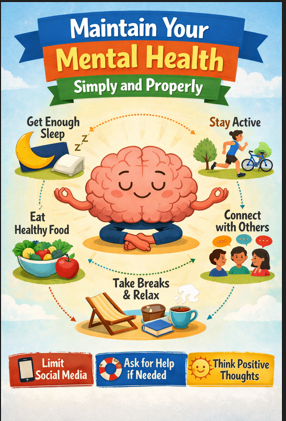
Mental health is a vital part of overall well-being, yet it is often ignored in daily life. In today’s busy world, people experience stress from work, studies, finances, and personal responsibilities. These pressures can affect emotional balance and create feelings of anxiety or exhaustion.
Maintaining mental health simply and properly does not require complicated treatments or expensive programs. By adopting healthy daily habits and focusing on self-care, anyone can improve their emotional well-being and enjoy a more balanced life.
This guide explains simple and effective ways to maintain strong mental health naturally.
Understanding Mental Health
Mental health refers to emotional, psychological, and social well-being. It affects how people think, feel, and behave in daily life. It also influences how individuals handle stress, make decisions, and interact with others.
When mental health is strong, people feel confident, motivated, and able to deal with challenges. However, poor mental health may lead to stress, anxiety, depression, or lack of focus.
Taking small steps every day can make a big difference in improving mental wellness.
1. Follow a Healthy Daily Routine
Creating a daily routine is one of the easiest ways to support mental health. A structured schedule helps the mind stay organized and reduces stress caused by uncertainty.
Try to maintain consistent times for waking up, eating meals, working, exercising, and sleeping. A balanced routine helps the brain function more efficiently and creates a sense of stability.
2. Get Enough Quality Sleep
Sleep plays a crucial role in maintaining mental health. Poor sleep can increase stress levels, reduce concentration, and affect mood.
Experts recommend 7 to 9 hours of sleep each night for healthy brain function.
Tips for better sleep include:
-
Avoid using mobile phones before bedtime
-
Keep a regular sleep schedule
-
Create a comfortable sleeping environment
-
Practice relaxing activities before sleep
Good sleep allows the brain to recover and improves emotional balance.
3. Exercise Regularly
Physical activity is one of the best natural ways to improve mental health. Exercise releases chemicals in the brain that improve mood and reduce stress.
You do not need intense workouts. Simple activities like:
-
Walking
-
Yoga
-
Cycling
-
Stretching
-
Dancing
can help improve emotional well-being. Just 20 to 30 minutes of exercise daily can reduce anxiety and increase happiness.
4. Eat a Balanced and Nutritious Diet
Healthy food supports both physical and mental health. Nutrient-rich foods help the brain function properly and stabilize mood.
Some brain-healthy foods include:
-
Fresh fruits and vegetables
-
Whole grains
-
Nuts and seeds
-
Fish rich in omega-3 fatty acids
-
Lean proteins
Avoid excessive sugar, processed foods, and caffeine, as they may negatively affect mood and energy levels.
Drinking enough water is also important because dehydration can cause fatigue and irritability.
5. Practice Mindfulness and Meditation
Mindfulness is the practice of focusing on the present moment without stress or judgment. It helps calm the mind and reduce negative thoughts.
Meditation, deep breathing, and relaxation exercises can help manage anxiety and improve mental clarity.
Spending 10–15 minutes daily on mindfulness activities can significantly improve emotional well-being.
Examples include:
-
Deep breathing exercises
-
Meditation
-
Yoga
-
Writing a journal
These activities help train the mind to stay calm and focused.
6. Build Strong Social Connections
Human beings need social interaction to maintain emotional health. Positive relationships with friends, family, and community members provide support during difficult times.
Spending time with loved ones helps reduce loneliness and strengthens emotional resilience.
Ways to improve social connections include:
-
Talking openly with trusted friends
-
Spending quality time with family
-
Participating in community activities
-
Joining clubs or interest groups
Strong relationships play an important role in maintaining mental well-being.
7. Reduce Screen Time and Social Media Use
Technology has become a major part of modern life, but too much screen time can negatively impact mental health.
Constant exposure to social media may lead to comparison, stress, or information overload.
Try to limit unnecessary screen time and focus on activities that support mental wellness, such as reading, exercising, or spending time outdoors.
Taking regular breaks from digital devices allows the brain to relax and recharge.
8. Practice Gratitude
Gratitude is a simple habit that can improve happiness and mental health. When people focus on positive aspects of life, their mindset becomes more optimistic.
Writing down three things you are grateful for each day can help build a positive outlook.
Gratitude reduces stress, increases happiness, and helps people appreciate the small joys of life.
9. Set Realistic Goals
Setting realistic and achievable goals can boost motivation and confidence. Breaking large tasks into smaller steps makes them easier to manage.
Each completed step gives a sense of accomplishment and reduces feelings of overwhelm.
Goal setting also helps people stay focused and motivated in both personal and professional life.
10. Take Time for Self-Care
Self-care is essential for maintaining mental health. Taking time to relax and enjoy personal interests helps refresh the mind.
Simple self-care activities include:
-
Reading books
-
Listening to music
-
Walking in nature
-
Practicing hobbies
-
Spending quiet time alone
Regular self-care improves emotional balance and prevents burnout.
When to Seek Professional Help
Sometimes mental health challenges require professional support. If someone experiences long-term stress, anxiety, sadness, or emotional difficulties that affect daily life, speaking with a therapist or counselor can be helpful.
Professional guidance can provide coping strategies and support for improving mental well-being.
Conclusion
Maintaining mental health simply and properly is possible through small daily habits. Activities like regular exercise, healthy eating, mindfulness, good sleep, and strong social connections can greatly improve emotional well-being.
Mental health should be treated with the same importance as physical health. By making simple lifestyle changes and prioritizing self-care, anyone can build a healthier mind and a happier life.
Taking care of your mental health today will lead to a more balanced and fulfilling future.