



































Body Mass Index (BMI) is one of the most widely used methods to assess a person’s overall health. It is a simple yet powerful tool that helps doctors, fitness experts, and individuals understand whether their body weight is healthy in relation to their height. In today’s fast-paced lifestyle, where poor diet and physical inactivity are common, BMI plays an important role in identifying health risks early and promoting preventive care.
Understanding your BMI can help you take better control of your health and make informed lifestyle choices.
1.What Is BMI?
BMI stands for Body Mass Index. It is a numerical value calculated using a person’s height and weight. The formula is:
BMI = Weight (kg) ÷ Height² (m²)
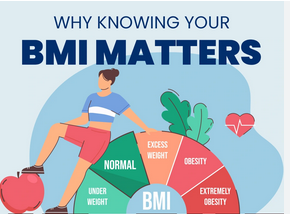
Based on this calculation, individuals are categorized into four main groups:
-
Underweight: Below 18.5
-
Normal weight: 18.5 – 24.9
-
Overweight: 25 – 29.9
-
Obese: 30 and above
These categories provide a general indication of whether a person’s body weight falls within a healthy range.
2.Why BMI Is Used in Health Assessment
BMI is commonly used because it is:
-
Easy to calculate
-
Cost-effective
-
Non-invasive
-
Useful for large populations
Healthcare professionals use BMI as a screening tool to quickly identify people who may be at risk of weight-related health problems. While it does not diagnose diseases, it highlights potential concerns that may require further medical evaluation.
3.Health Risks of High BMI
A high BMI usually indicates excess body fat, which is strongly linked to many serious health conditions.
1. Heart Disease
Excess weight increases cholesterol levels and blood pressure, making the heart work harder. This raises the risk of heart attacks and strokes.
2. Type 2 Diabetes
High BMI is one of the strongest risk factors for diabetes. Excess fat interferes with insulin function, leading to high blood sugar levels.
3. Joint and Mobility Problems
Extra body weight places pressure on joints, especially knees and hips, increasing the risk of arthritis and chronic pain.
4. Breathing Disorders
Obesity can cause breathing difficulties, including sleep apnea, which affects sleep quality and daily energy levels.
5. Mental Health Issues
People with high BMI may experience low self-confidence, anxiety, and depression due to body image concerns and social stress.
4.Health Risks of Low BMI
Being underweight can be just as harmful as being overweight. A low BMI may signal poor nutrition or underlying health issues.
Common risks include:
-
Weak immune system
-
Frequent illness
-
Low energy and fatigue
-
Hormonal imbalance
-
Bone weakness and fractures
In such cases, BMI helps identify individuals who may need improved nutrition or medical attention.
5.BMI and Preventive Healthcare
One of the biggest benefits of BMI is its role in prevention rather than treatment.
BMI helps people:
-
Recognize unhealthy weight patterns
-
Take action before diseases develop
-
Monitor long-term health progress
By maintaining a healthy BMI, individuals reduce the risk of chronic diseases and improve their quality of life.
6.Limitations of BMI
Although BMI is useful, it has some limitations. It does not consider:
-
Muscle mass
-
Body fat percentage
-
Age and gender
-
Fat distribution
For example, athletes may have high BMI due to muscle, not fat. Similarly, someone may have normal BMI but unhealthy fat levels around the abdomen.
This is why BMI should be used along with other measurements such as:
-
Waist circumference
-
Body fat analysis
-
Blood tests
-
Physical fitness levels
7.How to Maintain a Healthy BMI
Maintaining a healthy BMI is about building sustainable habits, not extreme dieting.
1. Eat a Balanced Diet
Include:
-
Fruits and vegetables
-
Whole grains
-
Lean protein
-
Healthy fats
Avoid excessive sugar, fast food, and processed snacks.
2. Stay Physically Active
Engage in at least 30 minutes of activity daily, such as walking, cycling, swimming, or home workouts.
3. Sleep Well
Poor sleep disrupts metabolism and increases cravings, leading to weight gain.
4. Manage Stress
Stress triggers emotional eating. Techniques like meditation, yoga, and deep breathing help control stress.
5. Track Your Health
Monitor BMI occasionally, but focus more on energy levels, strength, and mental well-being.
8.BMI and Public Health
On a larger scale, BMI is important for public health research. Governments use BMI data to:
-
Track obesity rates
-
Develop health policies
-
Design awareness programs
-
Reduce healthcare costs
This makes BMI valuable not only for individuals but also for entire communities.
9.Is BMI Enough on Its Own?
BMI should never be the only indicator of health. It is a starting point, not a final diagnosis.
For accurate health assessment, BMI should be combined with:
-
Medical history
-
Lifestyle habits
-
Lab tests
-
Professional consultation
This holistic approach ensures better and more personalized healthcare.
Conclusion
BMI is an essential tool for health assessment because it is simple, accessible, and effective in identifying potential risks. It helps individuals understand whether their body weight supports or threatens their health.
Although BMI has limitations, it remains one of the most practical and widely used methods for early health screening. When combined with healthy eating, regular exercise, good sleep, and stress management, BMI becomes a powerful guide toward a healthier life.
Knowing your BMI is not about numbers—it is about awareness, prevention, and making better choices for long-term well-being.